Backyard Rooms & Modern Sheds | Rethinking Outdoor Space
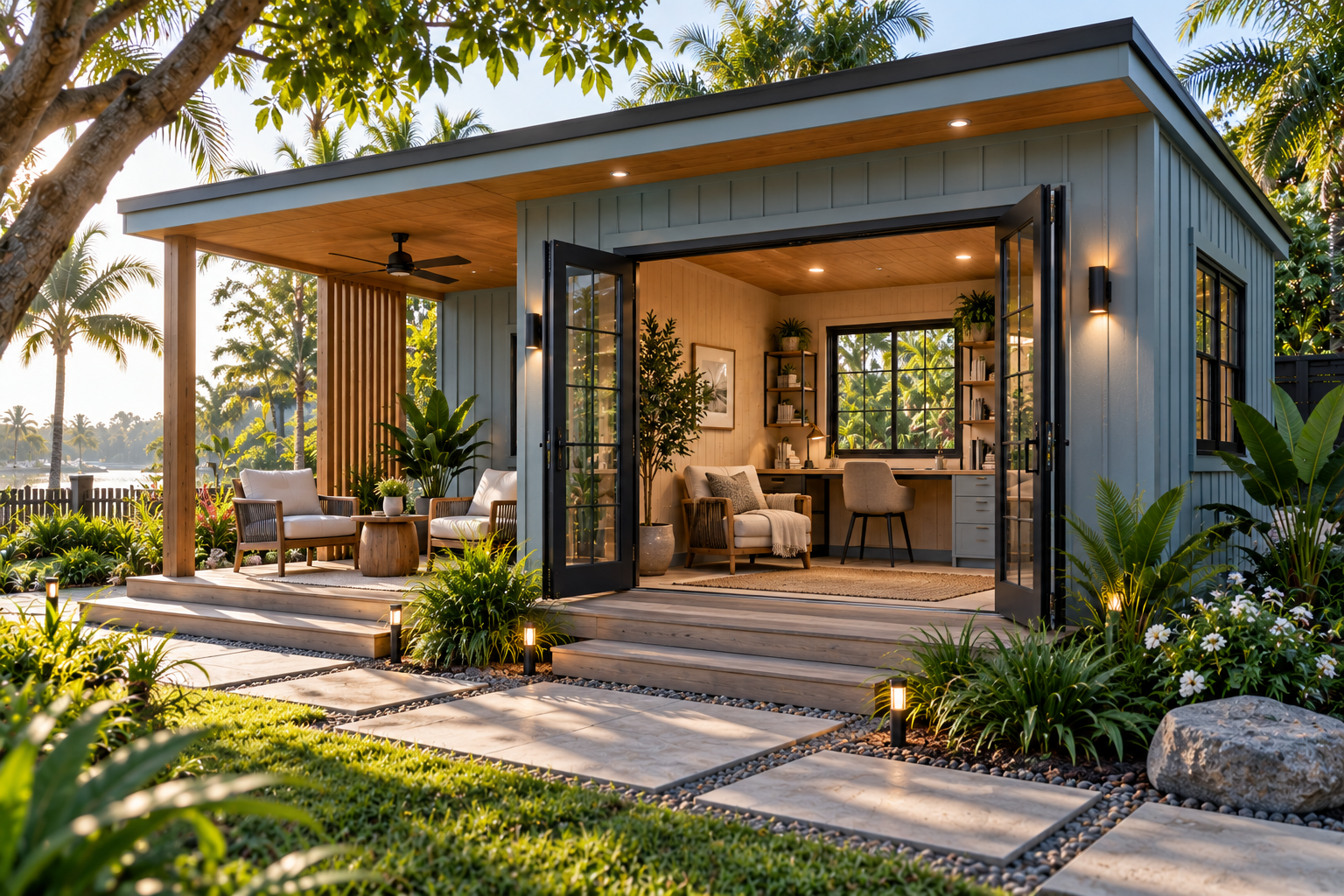
Somewhere between traditional outdoor storage and a room inside the house is a different kind of space—private, flexible, purposeful, and only a few steps from home.
The Space Between a Shed and a Room
There was a time when the word shed described something fairly specific. Four walls. A roof. A door. A place for the lawn mower, garden tools, and whatever else needed to stay out of the house. That purpose hasn’t disappeared. But the possibilities have expanded.
Today’s backyard structure can still hold tools and equipment, but it can also become a studio, workshop, office, hobby room, garden room, creative retreat, or a combination of several uses. It occupies an interesting space. It’s not quite part of the house. But it doesn’t have to feel like ordinary outdoor storage either.
It’s the space between a shed and a room.
And sometimes, that’s exactly the kind of space a property needs.
Close to Home, Without Being Inside It
One of the most interesting qualities of a detached backyard space is separation. You’re still home. But you’re somewhere different. That distinction can matter. A workshop separated from the garage doesn’t have to compete with vehicles. A studio doesn’t need to share a dining table with dinner. A home office can provide physical separation between work and everyday household activity. A gardening room puts supplies closer to the garden. A hobby space gives unfinished projects somewhere to remain unfinished. Sometimes a short walk across the backyard is enough to create a completely different experience.
Small Spaces Can Feel Special
Large rooms aren’t automatically better rooms. A smaller space can feel intentional in ways that a larger one sometimes doesn’t. Everything is closer. Every wall matters. Every window matters. Every piece of furniture has a purpose. There is less room for unnecessary elements, which encourages more thoughtful decisions. Where should the desk go? What should you see when you look through the window? Where should storage disappear? How should natural light enter? What needs to remain open? When those questions are answered carefully, a compact structure can feel surprisingly complete.
A Creative Room
Imagine a quiet backyard studio. A large window faces the garden. A worktable sits where natural light reaches it. Supplies are organized along one wall. The rest of the room remains open. There might be a comfortable chair in the corner. Artwork on the walls. A few plants. Nothing about the space needs to be extravagant. Its value comes from having somewhere dedicated to creating. Painting. Drawing. Writing. Photography. Music. Crafts. Design. The specific activity doesn’t matter as much as the idea behind it:
This room exists for something you enjoy doing.
A Place to Work With Your Hands
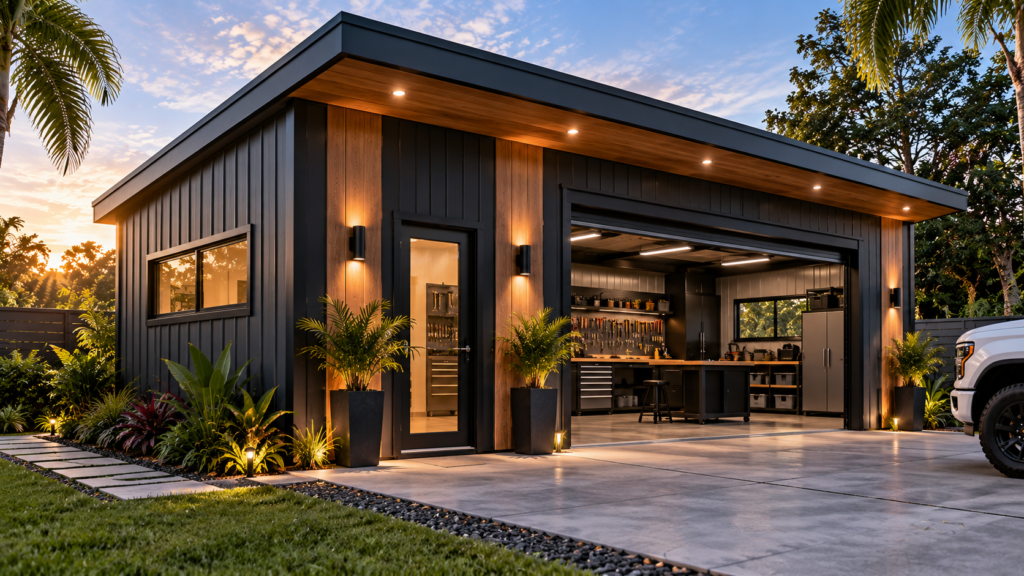
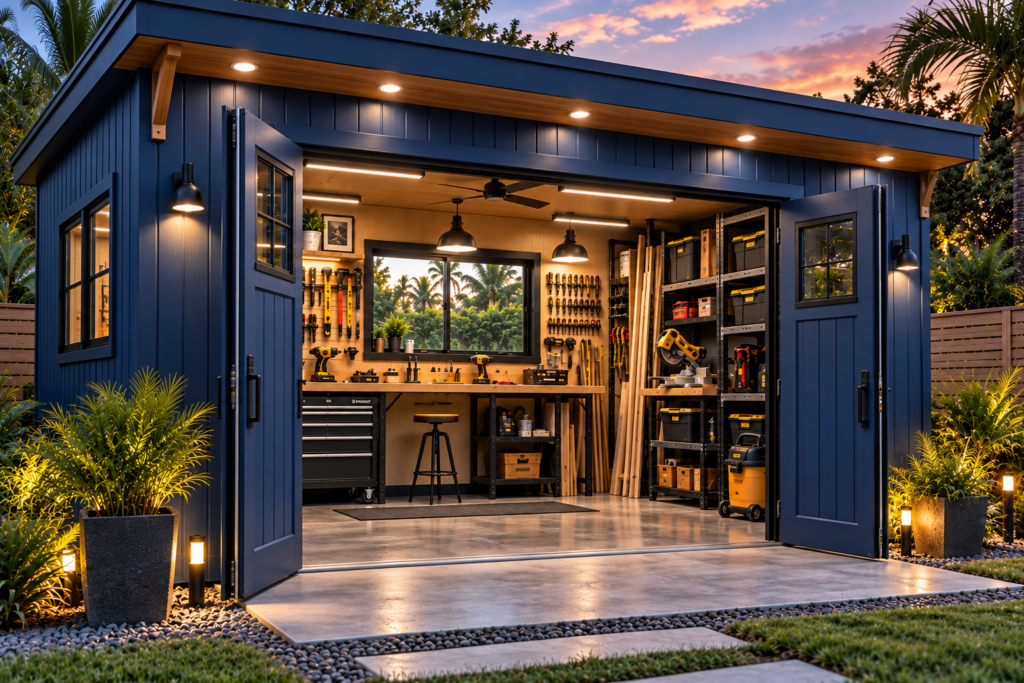
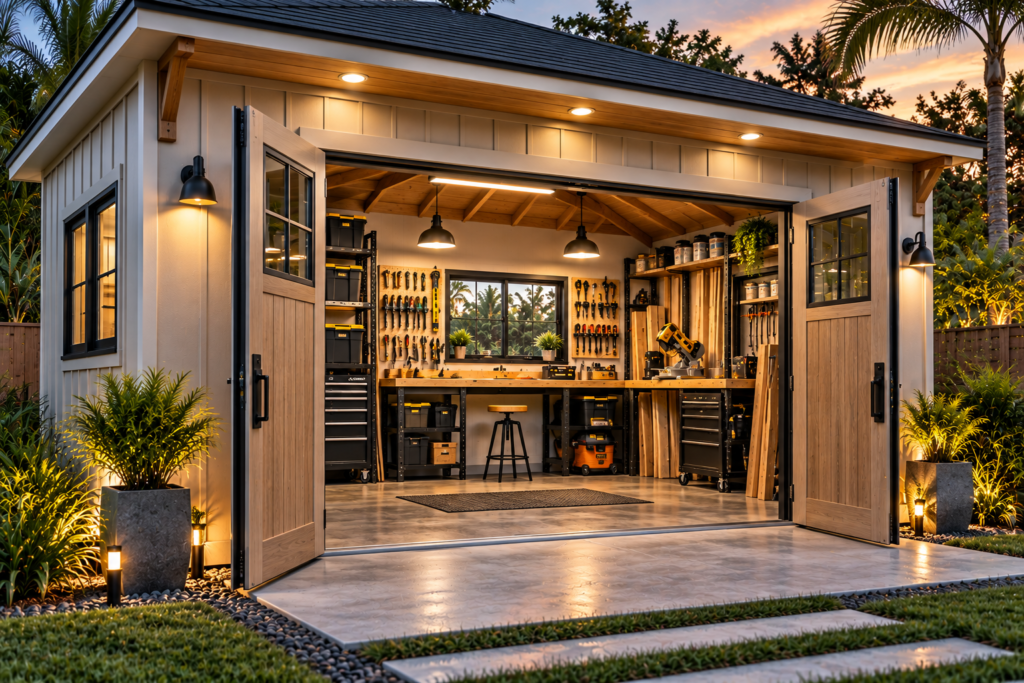
For someone who builds, repairs, restores, or experiments, the same structure can take a completely different form. The desk becomes a workbench. Art supplies become tools. Shelving holds hardware and materials. The floor remains open enough to bring projects inside. Now the room is a workshop. The architectural shell may be similar, but the interior is shaped by purpose. That’s one of the advantages of these small structures. The building can be relatively simple while the interior becomes deeply personal.
A Quiet Place to Work
Working from home introduced many people to a problem they hadn’t previously considered: Where, exactly, is work supposed to happen? The bedroom? Kitchen? Dining room? Living room? A detached backyard office creates another possibility. A desk. Storage. Natural light. Reliable power and connectivity. Comfort appropriate to the intended use. And most importantly, a door. The commute might only be a few steps across the yard, but those steps can establish a boundary between home and work that doesn’t exist when the laptop is always sitting on the kitchen counter.
A Garden Room
For someone who spends time outdoors, the structure can become an extension of the garden. Tools remain organized nearby. A potting bench provides a permanent work surface. Shelving holds pots and supplies. Windows connect the interior to the landscape. Large doors can open the room directly to the yard. An overhang might provide shade outside. Now the shed isn’t simply where gardening equipment is stored. It’s part of the gardening experience itself.
A Personal Retreat
Not every room needs a productive purpose. Sometimes people simply need somewhere quiet. A chair. Books. Music. A view of the yard. A place to think. A detached structure can create privacy without requiring someone to leave home. That can be especially valuable in a busy household where nearly every room already has an established purpose. The backyard room becomes intentionally undefined. Not an office. Not a workshop. Not storage. Just somewhere to be.
Architecture Changes the Experience
This is where design becomes important. If a building is going to function more like a room, it should feel considered like one. Windows can frame views instead of simply filling openings. Doors can create a connection between inside and outside. Rooflines can give the building identity. Wood can introduce warmth. Dark siding can create contrast against landscaping. Light colors can make a small structure feel airy. Exterior lighting can make the building feel inviting after sunset. Interior materials can reflect the intended use. The goal isn’t to make the shed pretend to be a house. It’s to give a small structure the same level of design consideration we naturally give other spaces where people spend time.
The Outside Can Become Part of the Room
A backyard structure doesn’t necessarily end at its walls. Open the doors and the landscape becomes part of the experience. A small patio can extend the workspace outdoors. An overhang can create a protected transition between inside and outside. A few chairs can turn the area beside the building into another place to sit. Stepping stones can create a deliberate path from the house. Plants can frame the entrance. Exterior lighting can extend the atmosphere into the evening. The building might occupy only a modest footprint, while the space it creates feels much larger.
It Can Still Store Things
Turning a shed into a more room-like space doesn’t mean storage has to disappear. It simply needs to become more intentional. Cabinetry can hide household items. Built-in benches can contain storage. Upper shelving can use vertical space without dominating the room. A dedicated equipment section can sit behind doors. Even a creative studio or backyard office can reserve part of its footprint for practical storage. That’s one of the most useful things about these structures. They don’t have to choose between being practical and enjoyable. They can be both.
A Space That Can Change With You
Perhaps the most valuable quality of a backyard room is flexibility. Today’s office might eventually become a studio. A studio might become a hobby room. A workshop could gradually become general storage. A garden room might become somewhere to relax. The building remains. Its purpose evolves. Designing with that possibility in mind means avoiding unnecessary limitations. Good lighting. Useful electrical access. Flexible storage. Comfortable proportions. Thoughtful windows and doors. Open floor area. Those elements can support many different uses over the life of the structure.
What Do You Need That Your House Doesn’t Have?
Maybe that’s the better question.
Not:
Do I need a shed?
But:
What kind of space is missing from the way I live?
More storage? A workshop? A studio? A quiet office? A gardening space? A hobby room? Somewhere that belongs entirely to you? The answer may not require remodeling the house or constructing a large addition. It might only require looking at the backyard differently. Because somewhere between the traditional shed and another room inside the house is an opportunity to create something much more personal. A small building. A short walk from home. A completely different space.
Not just a shed. A designed space.